

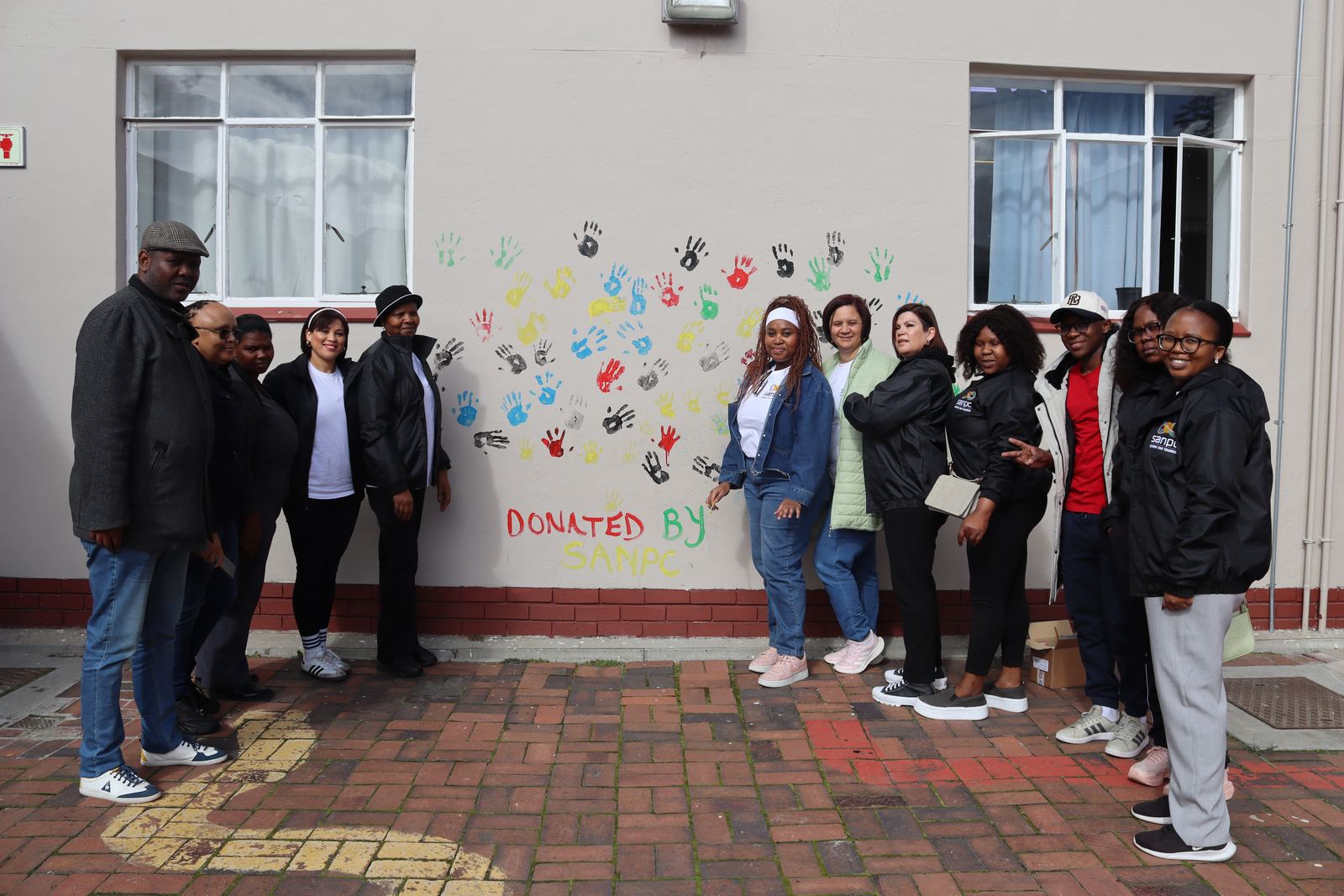

Cape Town, Western Cape
Parow Office & Milnerton Terminal
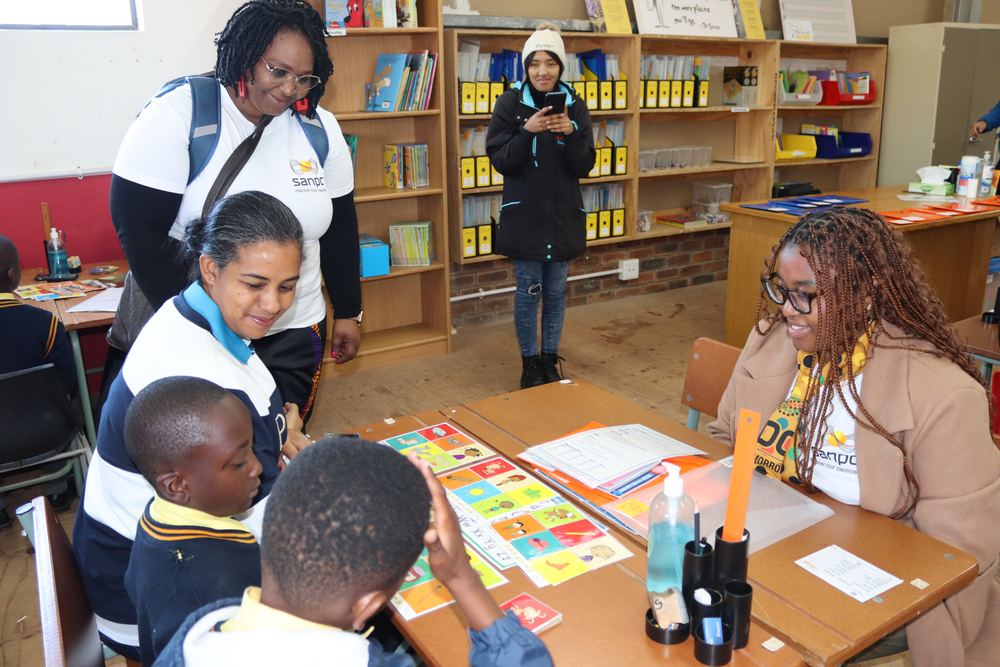
- School
- Athlone School for the Blind
- Mandela Day initiative
- Supporting learner development through the donation of tablets and sensory learning toys.

Corporate Social Investment
SANPC directs its social investment into four focus areas — education, community development, health, and environment and sustainable development — in the communities where we operate.
Our approach
SANPC is committed to making a meaningful and measurable socio-economic impact in South Africa, particularly within the disadvantaged communities in which we operate.
Our Corporate Social Investment strategy is anchored in socio-economic development, education, health and environmental sustainability. Through focused, collective and impact-driven programmes, we work to create shared value for communities and for the environment.
We invest responsibly and strategically in initiatives governed by clear, transparent criteria and aligned with recognised principles of sound corporate governance.
To be a leading corporate citizen that drives sustainable social impact and contributes meaningfully to inclusive growth and community development in South Africa.
To implement focused, transparent and impact-driven CSI programmes that empower disadvantaged communities, promote sustainable development and create shared value for society and for SANPC.
Where we invest
To maximise impact and keep our giving strategically aligned, every SANPC initiative sits within one of four areas.
STEAM, IT, learning resources, school infrastructure and educator training.
See what we fundECD, energy poverty, disability inclusion and Social and Labour Plan projects.
See what we fundChronic and terminal care partners, plus healthcare infrastructure.
See what we fundEnvironmental education, clean-ups, greening and green jobs.
See what we fundFocus area one
Education is the cornerstone of sustainable socio-economic development. SANPC strengthens foundational and secondary schooling by improving access to quality learning resources, upgrading infrastructure and building institutional capacity. Targeted work in STEAM, IT and skills development equips learners and educators with the competencies future economic participation demands.
Under this focus area, SANPC will:
Support Science, Technology, Engineering, Arts and Mathematics (STEAM) and innovation programmes in primary and secondary schools.
Provide IT and learner support programmes at primary and secondary school level.
Fund laboratory materials, equipment and educational resources for science, technology and skills development programmes.
Invest in basic school infrastructure, including:
Provide educational equipment, including desks, computers and other learning tools.
Facilitate skills development and subject-specific training for educators, particularly in STEAM and IT disciplines.
Focus area two
Sustainable community development calls for targeted interventions that address socio-economic vulnerability, strengthen local capacity and lift quality of life. Our projects are designed for inclusive growth, social resilience and equitable access to essential services, particularly in communities affected by poverty, inequality and limited infrastructure.
Under this focus area, SANPC will:
Support and fund Early Childhood Development (ECD) projects that build school readiness and foundational learning.
Contribute to industry-aligned CSI initiatives, including participation in Integrated Energy Centres and similar collaborative platforms.
Facilitate training and capacity building for caregivers, support groups and community-based organisations addressing prevalent social challenges.
Support programmes and projects that empower and include persons living with disabilities.
Help alleviate energy poverty through:
Implement projects aligned to SANPC's production right obligations, as set out in approved Social and Labour Plans (SLPs).
Focus area three
Access to quality healthcare underpins community wellbeing and social stability. SANPC backs initiatives that strengthen healthcare delivery systems and widen access to essential medical services in underserved and disadvantaged communities.
Under this focus area, SANPC will:
Support organisations and projects that administer treatment for chronic and terminal illness, including:
Invest in healthcare infrastructure development and improvements in disadvantaged communities where facilities are limited or absent.
Focus area four
Environmental stewardship is integral to long-term community resilience and sustainable economic growth. SANPC promotes environmental responsibility through education, conservation and projects that generate ecological and socio-economic value at the same time.
Under this focus area, SANPC will:
Support environmental and sustainability education programmes in disadvantaged schools and communities.
Fund and take part in environmental clean-up campaigns and conservation initiatives.
Run greening programmes, including the provision of trees to schools and public spaces.
Support projects that pair environmental sustainability with job creation.
Give preference to initiatives that build community education on environmental sustainability and responsible resource management.
Cape Town, Western Cape
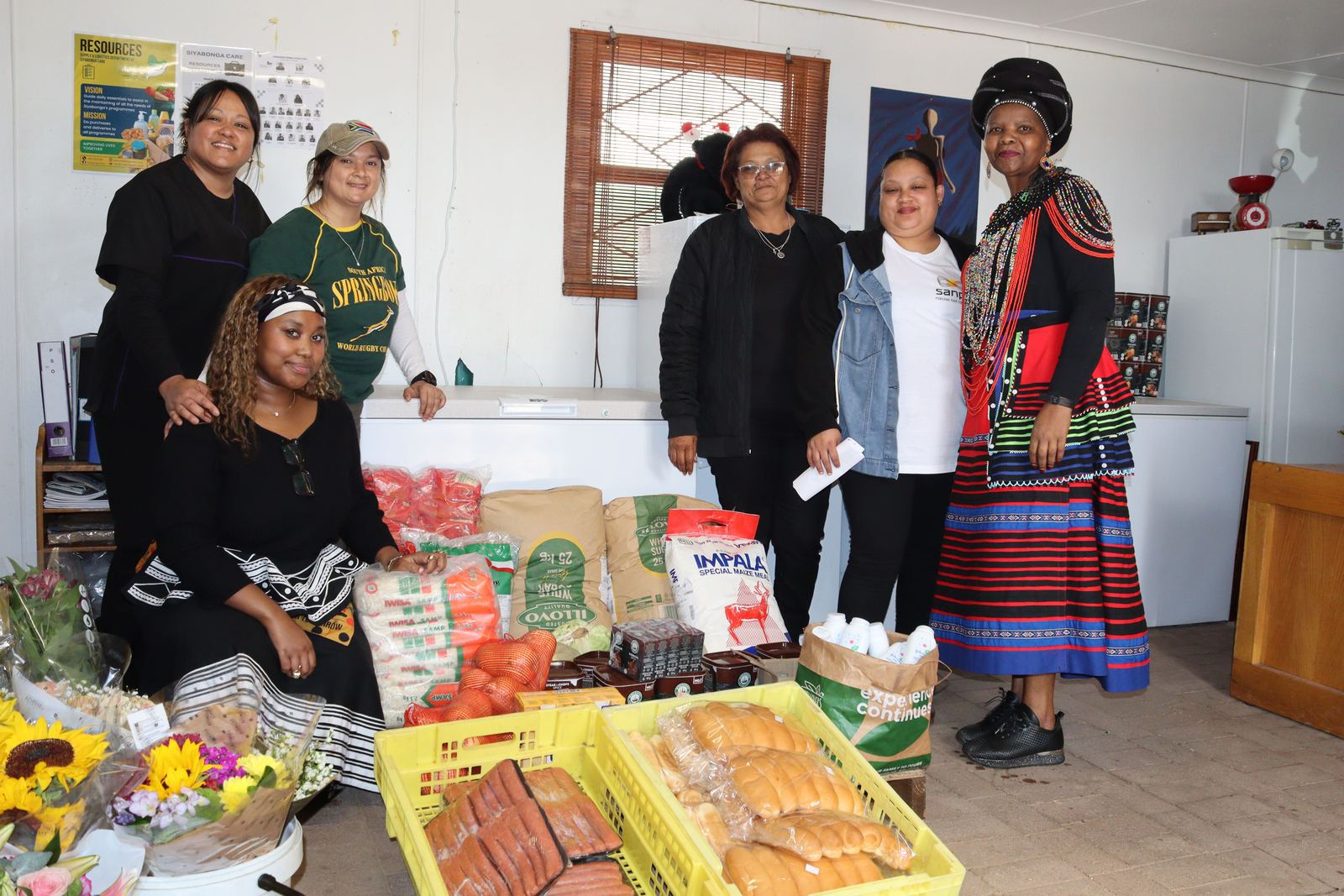
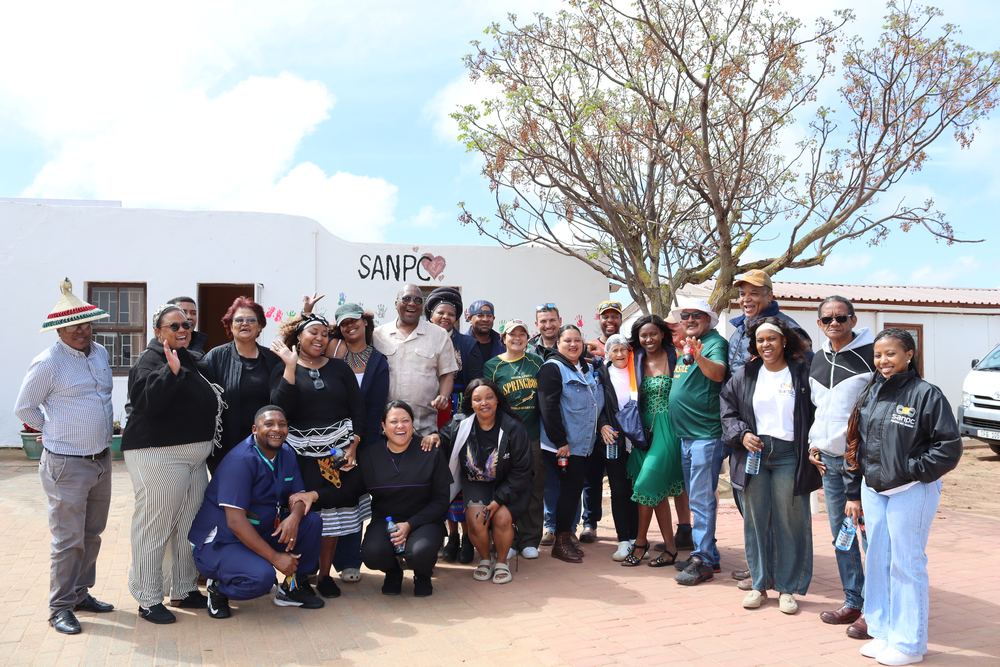
West Coast, Western Cape
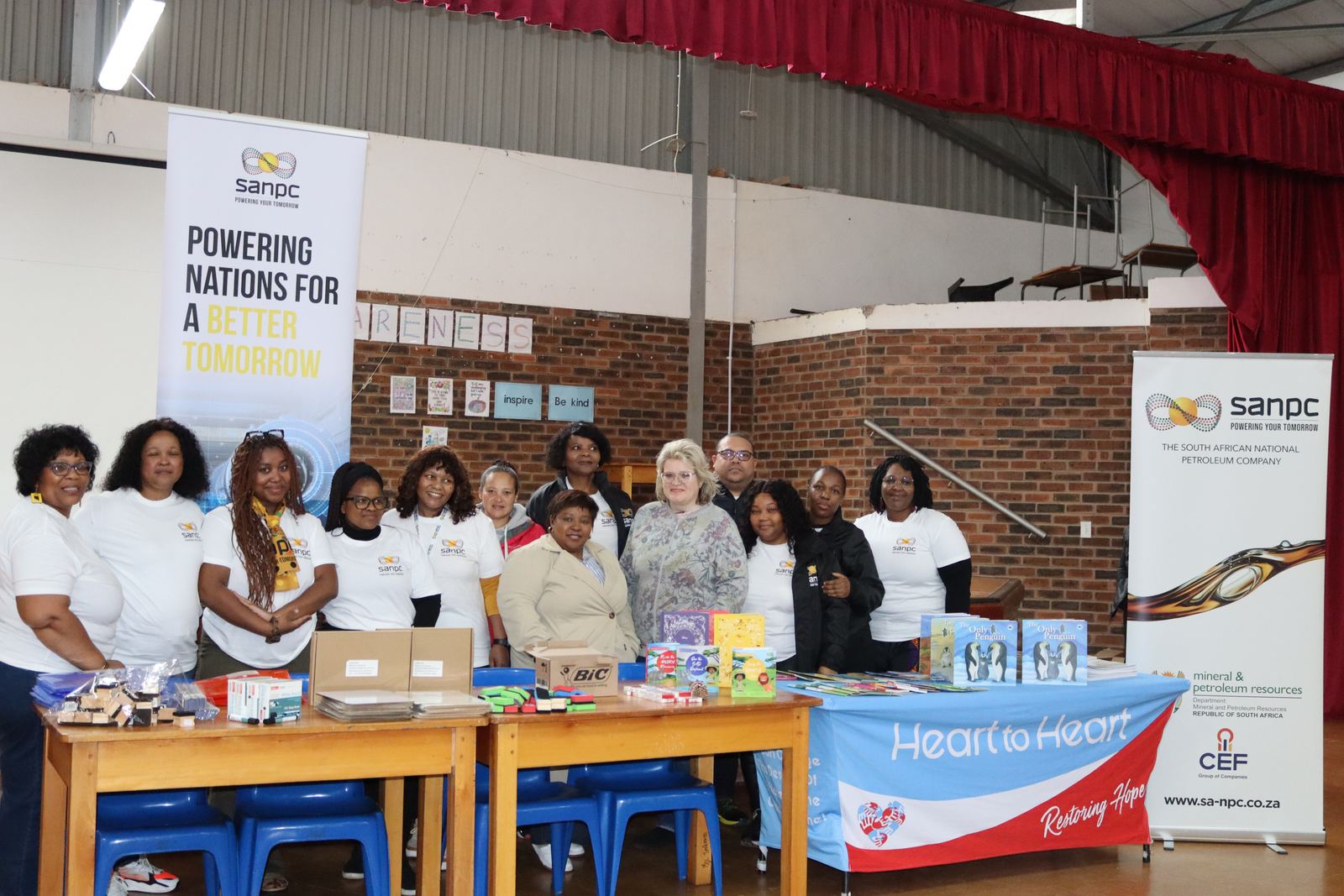
Western Cape
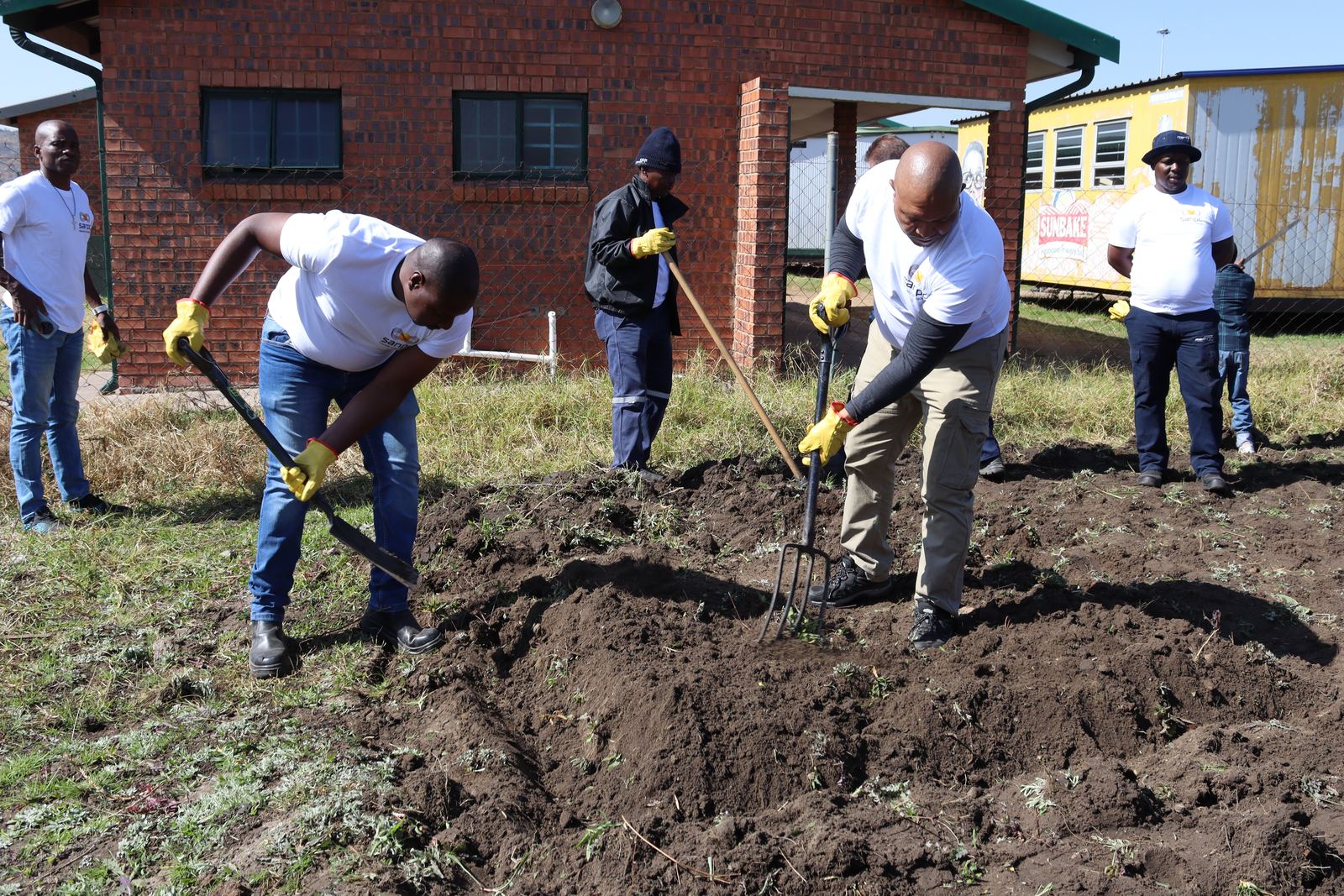
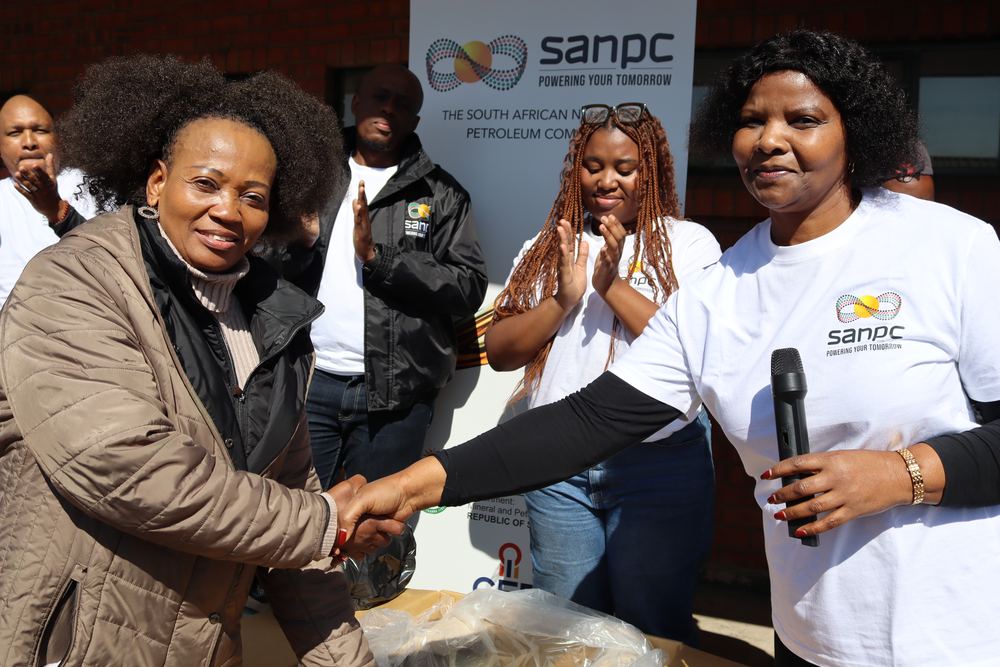
Mpumalanga
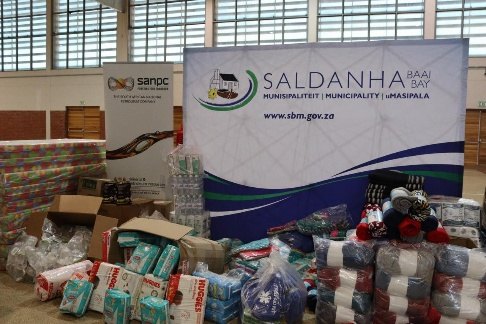

Saldanha Bay, West Coast
Funding criteria
All organisations and projects identified for financial support from SANPC must:
Have an ultimate objective of improving the quality of life of disadvantaged communities within South Africa.
Have an established track record and be able to demonstrate compliance with codes of good practice and applicable SA legislation.
Demonstrate broad community support and involvement.
Be implemented by government organisations, or organisations registered as Non-Profit Organisations or Non-Profit Companies, holding a valid Tax Clearance Certificate or Section 18(A) tax exemption status.
Schools must be registered with the Department of Basic Education and produce a letter from the Department confirming that their project is supported.
Prove that more than 75% of beneficiaries are previously disadvantaged people, in accordance with the requirements of the scorecard of the Broad-Based Black Economic Empowerment (B-BBEE) Charter.
All NPOs and schools must have a minimum of one year of existence.
Provide one year of audited financial statements.
Provide evidence of the ability to replace the donated assets in case of loss.
General exclusions
CSI applications
Thank you to every organisation that has shown interest in the SANPC Corporate Social Investment programme. We are no longer accepting new funding applications at this time.